


Best Search Marketing Strategies For Small Businesses
Search marketing represents one of the most effective channels for small businesses seeking growth in 2026, offering targeting precision, measurable results, and scalable ROI that traditional marketing channels cannot match. When implemented strategically, search engine optimization and search advertising can drive qualified traffic and conversions at a fraction of the cost of outbound marketing approaches.
For small businesses with limited budgets and resources, understanding which search marketing strategies deliver the best results is essential for maximizing impact. This guide covers the approaches that Level the playing field against larger competitors and drive sustainable growth through search channels.
The Search Marketing Landscape for Small Business
The search marketing ecosystem has evolved significantly, with search engines now processing more sophisticated queries across multiple formats and devices. Understanding the current landscape helps small businesses allocate resources to the most impactful strategies.
Key developments shaping search marketing include the integration of artificial intelligence into search results, the growth of voice and visual search, and changing user behavior across devices. These shifts create both challenges and opportunities for small businesses willing to adapt their strategies.
Understanding Search Intent
Successful search marketing begins with understanding user intent. Searches fall into categories including informational queries seeking knowledge, navigational queries looking for specific businesses, transactional queries indicating purchase intent, and commercial investigation queries comparing options. Matching your strategy to the appropriate intent category dramatically improves conversion rates.
Small businesses can achieve significant results by focusing on high-intent queries where they can compete, rather than trying to compete broadly for generic terms dominated by larger competitors with bigger budgets.
Search Engine Optimization Strategies
Organic search visibility provides sustainable traffic without ongoing advertising costs, making SEO particularly valuable for small businesses. Effective SEO requires attention to technical foundation, content optimization, and authority building that signals expertise to search engines.
Local SEO Foundation
For small businesses serving local customers, local SEO is often the highest-impact investment. Essential elements include Google Business Profile optimization with complete information, regular posts, and photos, consistent business information across directories, and local keyword integration in website content.
Local link building from community organizations, local news, and business associations strengthens local authority signals. Encourage satisfied customers to leave reviews and respond professionally to all feedback to build credibility and improve local search rankings.
Website Technical Optimization
Search engines prioritize websites that provide good user experiences. Technical fundamentals include fast page loading speeds, mobile responsive design, secure connections, clear site architecture, and proper structured data implementation. Regular technical audits identify and fix issues that may be limiting search visibility.
Small businesses using website builders or content management systems should ensure their templates and plugins do not create technical barriers to search visibility. Many platforms have SEO settings that require proper configuration to maximize visibility.
Content Strategy for Small Business
Content that addresses customer questions and demonstrates expertise builds search authority while providing value that converts. Effective content strategies for small businesses focus on topics where the business has genuine expertise and can provide unique insights that competitors do not offer.
Content formats that perform well include how-to guides, product and service explanations, industry-specific advice, and answers to common customer questions. The key is creating content that demonstrates authority while addressing genuine customer needs.
Search Advertising Fundamentals
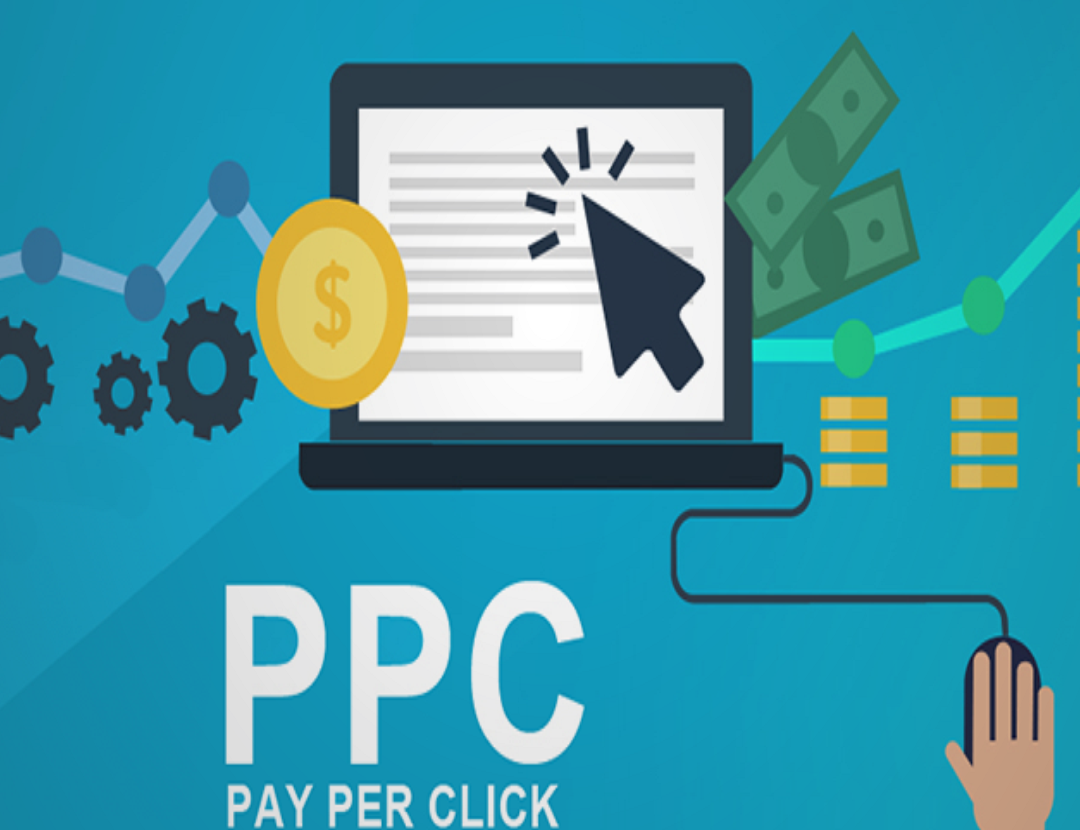
Paid search advertising provides immediate visibility for relevant queries, making it valuable for small businesses seeking quick results or promoting specific offers. Effective campaigns require strategic keyword selection, compelling ad copy, and optimized landing pages.
Keyword Selection for Limited Budgets
Small businesses should focus on high-intent keywords with lower competition rather than bidding on expensive generic terms. Long-tail keywords, while lower in volume, often convert better because they indicate specific customer needs. Local modifiers like city or neighborhood names can reduce competition while increasing relevance.
Negative keyword lists prevent ads from showing for irrelevant searches, improving return on investment by reducing wasted spend on unqualified clicks. Regular analysis of search query reports identifies opportunities to add negative keywords over time.
Campaign Structure and Ad Groups
Organizing campaigns around themes with dedicated ad groups improves relevance and quality scores. Each ad group should contain tightly themed keywords with corresponding ad copy and landing pages. This structure improves click-through rates and reduces cost-per-click while increasing conversion rates.
Small businesses often benefit from starting with focused campaigns on their highest-converting products or services, expanding as they gather data and develop optimization knowledge.
Landing Page Optimization
Even perfect ad campaigns waste budget when landing pages do not convert. Effective landing pages align with ad messaging, provide clear calls to action, load quickly, and address visitor questions about the product or service being advertised.
For small businesses, dedicated landing pages for key campaigns typically outperform directing traffic to homepage_general pages. Testing different headlines, calls to action, and page layouts identifies improvements that compound over time.
Measuring and Optimizing Performance
Search marketing success requires systematic tracking and optimization based on data rather than assumptions. Understanding which metrics matter helps small businesses focus optimization efforts on activities that drive actual business results.
Key Metrics and Attribution
Essential metrics include search visibility changes, website traffic from search channels, conversion rates from search visitors, cost per acquisition, and return on ad spend for paid campaigns. Setting up proper conversion tracking is essential for optimization.
Attribution modeling helps understand how different search interactions contribute to final conversions, particularly for businesses with longer sales cycles that may involve multiple touchpoints.
Testing and Iteration
Successful search marketing requires ongoing testing and optimization. Testing strategies include ad copy variants, landing page changes, keyword expansion, and bid adjustments based on performance data. The key is making one change at a time to understand what drives improvements.
Small businesses should establish regular review Cadences, weekly for active campaigns and monthly for broader strategy, to ensure continuous improvement rather than setting and forgetting campaigns.
Emerging Search Marketing Trends
The search marketing landscape continues evolving, with AI and new search formats creating both challenges and opportunities for small businesses that stay ahead of trends.
AI and Search Evolution
Search engines are increasingly integrating artificial intelligence into results, changing how businesses need to approach search optimization. Featured snippets, conversational answers, and AI overviews are reshaping click-through patterns and requiring new approaches to content optimization.
Small businesses should monitor how their target queries are being answered and adapt content strategies to provide the information formats that search engines are优先显示 for relevant searches.
Multiple Search Formats
Beyond traditional text search, visual search, voice search, and social search are growing in importance. Optimizing for these formats requires different approaches, including image optimization, conversational content, and presence on social platforms where searches occur.
Small businesses should evaluate which alternative search formats are relevant to their audiences and develop appropriate optimization strategies.
Implementation Guide for Small Business
For small businesses new to search marketing or looking to improve results, following a structured implementation approach delivers the best results with limited resources.
Phase One: Foundation
Begin with essentials that provide the foundation for all future efforts. This includes setting up Google Business Profile with complete information, ensuring website technical fundamentals are solid, establishing conversion tracking, and claiming business listings across major directories.
Completing this foundation phase typically takes two to four weeks and positions the business for more advanced strategies.
Phase Two: Quick Wins
With foundation in place, focus on strategies that deliver immediate results. This includes optimizing for highest-converting local keywords, creating content around common customer questions, setting up baseline paid search campaigns for high-intent queries, and beginning systematic review generation.
This phase typically delivers measurable results within four to eight weeks if foundation work is complete.
Phase Three: Growth and Optimization
Based on results from phase two, expand successful strategies while testing new approaches. This includes expanding keyword coverage, testing additional ad copy and landing pages, building content authority in high-performing topics, and refining targeting based on conversion data.
Ongoing optimization compounds results over time, turning search marketing into a sustainable growth channel.
Common Mistakes to Avoid
Understanding common pitfalls helps small businesses avoid wasting resources on strategies that deliver limited results.
- Trying to Compete for Generic Terms: Focus on specific, high-intent keywords where you can genuinely compete rather than broad terms where budgets cannot keep pace
- Neglecting Technical Fundamentals: Technical issues can undermine even the best content and advertising strategies
- Ignoring Conversion Optimization: Improving website conversion rates amplifies the impact of all search traffic
- Setting and Forgetting: Continuous optimization is required for sustainable results
- Ignoring Local Search: For businesses with physical locations, local SEO often provides the highest ROI
- Tracking Only Vanity Metrics: Focus on metrics that connect to actual business results
Building a Sustainable Search Strategy
Successful search marketing for small businesses requires balancing immediate results with long-term authority building. The combination of organic SEO and paid search creates both immediate traffic and sustainable visibility that compounds over time.
Small businesses that commit to systematic search marketing, continuously testing and optimizing based on data, can achieve results that level the playing field with larger competitors. The key is starting with fundamentals, measuring results, and expanding what works.
Disclaimer: This article is for informational purposes only and does not constitute professional marketing or financial advice. Search marketing strategies and best practices evolve rapidly. Always conduct your own research and consult qualified marketing professionals before implementing any search marketing strategies for your business.









Comments 0
Login Required
Please sign in to view and post comments.