

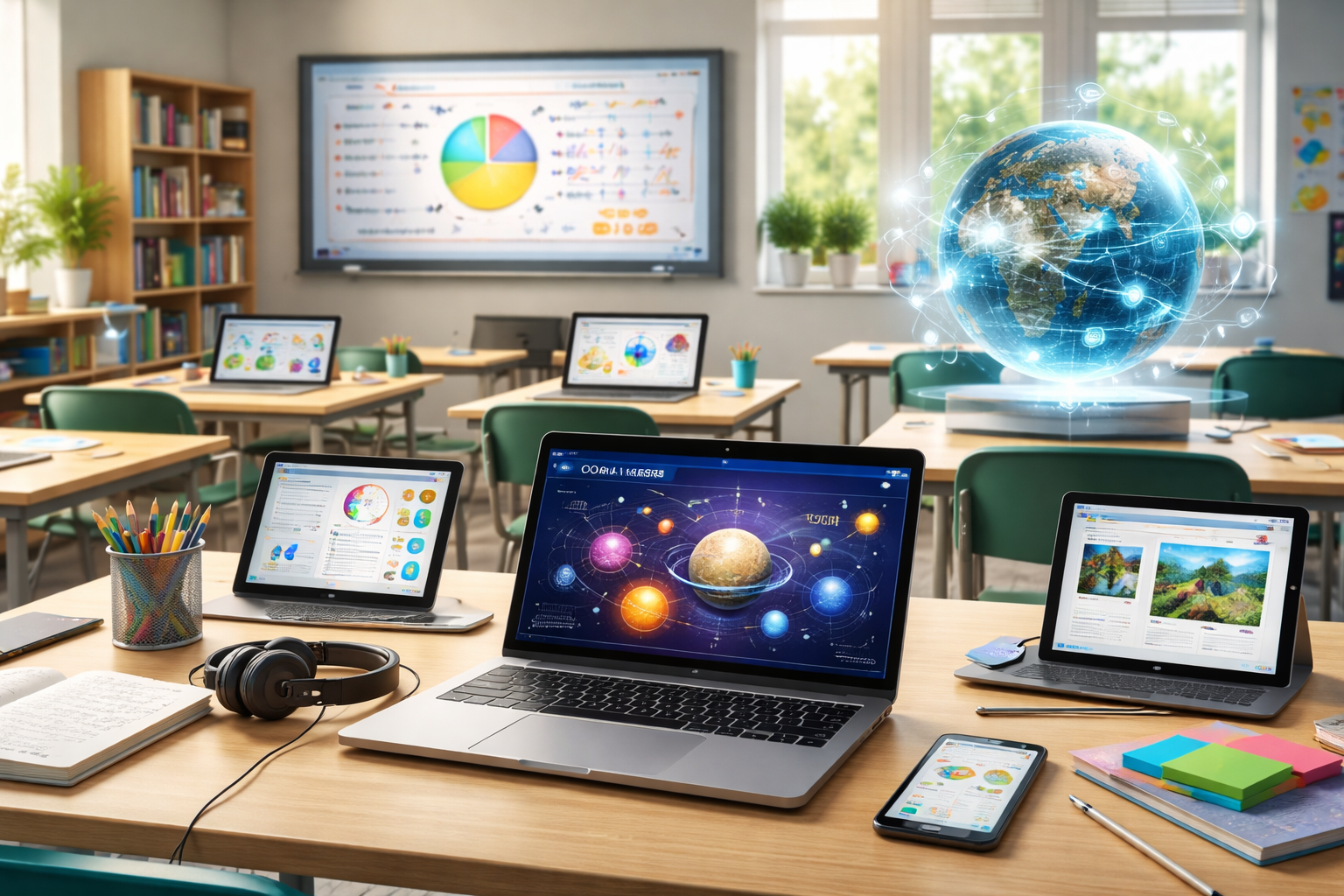
How Digital Tools Are Reshaping Education Across Classrooms
Digital tools are revolutionizing education, transforming traditional classrooms into dynamic learning environments where students can engage with content in interactive and personalized ways. From tablets to advanced learning management systems, technology is making education more accessible and effective than ever before.
This comprehensive overview explores how digital tools are reshaping education across classrooms, examining the benefits, challenges, and future trends that are defining the next generation of learning experiences.
Interactive Learning Platforms
Interactive learning platforms have become essential tools in modern classrooms, offering multimedia content that engages students through videos, animations, and interactive exercises. These platforms adapt to individual learning paces, providing instant feedback and allowing students to revisit difficult concepts as needed.
The gamification elements in many platforms make learning more enjoyable, turning traditional lessons into engaging challenges that motivate students to participate actively. Teachers can track progress in real-time, identifying areas where students need additional support or advanced challenges.
Furthermore, these platforms often include collaborative features that enable group work and peer learning, fostering important social skills alongside academic knowledge.
- Multimedia Content: Videos, animations, and interactive exercises enhance engagement
- Adaptive Learning: Platforms adjust to individual student paces and needs
- Real-Time Feedback: Instant assessment helps students understand concepts quickly
- Collaborative Features: Group work and peer learning opportunities
Personalized Learning Experiences
Digital tools enable personalized learning experiences that cater to individual student needs, learning styles, and paces. Artificial intelligence algorithms analyze student performance data to recommend customized learning paths, ensuring that each student receives the right level of challenge and support.
This personalization extends beyond academics to include emotional and social learning aspects, with tools that help develop study habits, time management skills, and self-regulation. Students can explore topics that interest them deeply while maintaining core curriculum requirements.
The data-driven approach also helps educators identify learning gaps early, allowing for timely interventions that prevent students from falling behind.
- AI-Driven Recommendations: Algorithms suggest optimal learning paths
- Individual Pacing: Students progress at their own comfortable speed
- Skill Development: Focus on study habits and self-regulation
- Early Intervention: Identify and address learning gaps promptly
Enhanced Accessibility and Inclusion
Digital tools have significantly improved accessibility in education, providing support for students with diverse learning needs and disabilities. Text-to-speech software, screen readers, and captioning tools ensure that all students can access educational content regardless of physical or learning challenges.
These tools also support multilingual education, with translation features and culturally relevant content that makes learning more inclusive for diverse student populations. Remote learning capabilities have extended educational opportunities to students in remote areas or those unable to attend traditional schools.
The inclusive nature of digital education also helps reduce stigma around special education needs, creating a more supportive and understanding learning environment.
- Assistive Technology: Support for students with disabilities and special needs
- Multilingual Support: Translation and culturally relevant content
- Remote Access: Education opportunities for geographically isolated students
- Reduced Stigma: More inclusive environment for diverse learners
Data-Driven Educational Insights
Digital tools provide valuable data analytics that help educators make informed decisions about teaching strategies and curriculum development. Learning management systems track student engagement, assignment completion rates, and assessment performance to identify trends and areas for improvement.
This data-driven approach enables schools to optimize resource allocation, develop targeted interventions, and measure the effectiveness of different teaching methods. Educators can use insights to refine their approaches and provide more effective instruction.
The analytics also support institutional planning, helping administrators understand enrollment patterns, resource needs, and program effectiveness.
- Performance Tracking: Monitor student progress and engagement metrics
- Teaching Optimization: Data-informed instructional improvements
- Resource Allocation: Efficient distribution of educational resources
- Institutional Planning: Strategic decision-making for schools
Challenges and Implementation Considerations
While digital tools offer numerous benefits, successful implementation requires careful planning and consideration of potential challenges. Digital divides, privacy concerns, and the need for teacher training must be addressed to ensure equitable access and effective use of technology.
Educators need ongoing professional development to effectively integrate digital tools into their teaching practices. Schools must also establish clear policies for technology use, data privacy, and digital citizenship to create safe and productive learning environments.
Balancing technology use with essential social and emotional learning experiences remains crucial, ensuring that digital tools enhance rather than replace important human interactions in education.
- Digital Equity: Addressing access disparities across student populations
- Teacher Training: Professional development for effective technology integration
- Privacy Protection: Safeguarding student data and online safety
- Balanced Approach: Maintaining human connections alongside technology
Future Trends in Educational Technology
The future of educational technology promises even more innovative tools, including virtual and augmented reality experiences that create immersive learning environments. Artificial intelligence will continue to advance personalized learning, while blockchain technology may revolutionize credentialing and assessment.
As technology evolves, the focus will increasingly be on developing critical thinking, creativity, and problem-solving skills that prepare students for an uncertain future. Digital tools will serve as enablers of these essential competencies rather than just delivery mechanisms for content.
Digital tools are fundamentally reshaping education, creating more engaging, personalized, and accessible learning experiences that prepare students for success in a technology-driven world.
Disclaimer: This article is for informational purposes only and does not constitute educational policy or technology implementation advice. Please consult with qualified education professionals for specific needs.










Comments 0
Login Required
Please sign in to view and post comments.